
The week's key currency, interest rate, and commodity news, and what it means for businesses that pay and get paid internationally.
The dollar started the week close to its strongest level since May 2025. The euro sat near $1.125 after four straight weekly losses, while softer US jobs data cooled bets on another Fed rate hike this month.
Why it matters: US companies paying euro invoices are getting more for each dollar right now, but a reversal could be sharp. It's a good moment to review forward cover.
Read the story ↗
Nearly 70 currency strategists see the dollar surrendering most of its 3%+ gain since early September over the next year, with the euro forecast around $1.16 in 12 months. Most also said the dollar could beat their near-term forecasts.
Why it matters: Experts disagree on timing, which is exactly when locking in part of your exposure can protect your budget.
Read the story ↗
France is seeking about €54 billion in savings in its 2027 budget as political gridlock builds ahead of next year's election. Investors have demanded a higher premium on French bonds, and the euro slipped below $1.13.
Why it matters: Political risk in Europe can move the euro quickly. Businesses with euro receivables may want protection against further weakness.
Read the story ↗
Bloomberg reports that fiscal and political strain has left French debt more exposed than other big economies in the recent selloff, even as UK long-term borrowing costs touched 6%.
Why it matters: Rising borrowing costs feed into currency moves. Watch the euro and pound if you trade with Europe or the UK.
Read the story ↗
Bloomberg reports that hedge funds are rebuilding short positions on the yen, which is trading near 158 per dollar, while Japanese officials have raised concerns about the weak currency with the US.
Why it matters: Official intervention can move the yen several percent in a day. Importers and exporters with yen exposure should plan for both directions.
Read more on Bloomberg ↗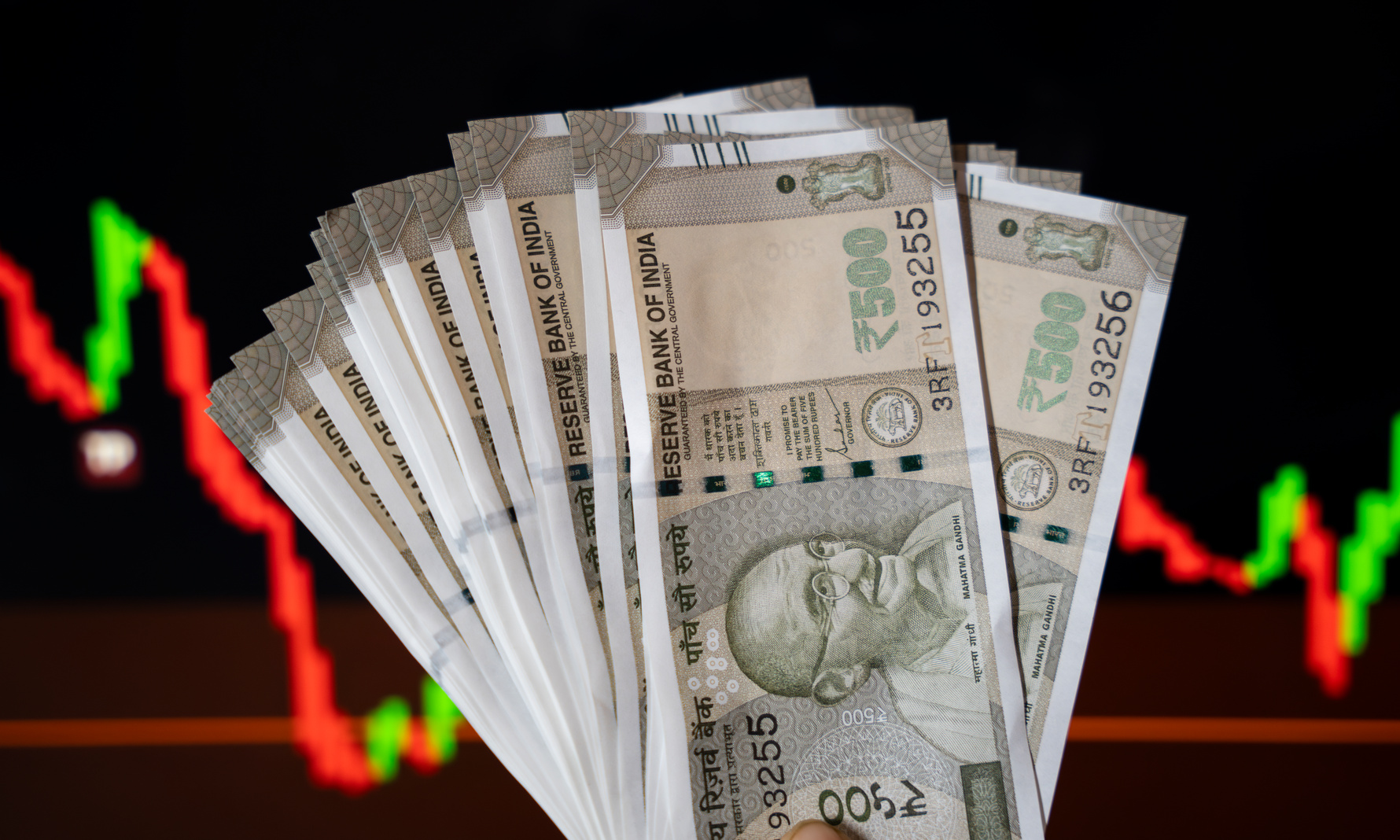
With US yields above 5%, Bloomberg reports some investors are returning to emerging-market carry trades, while India's reserves posted a record weekly drop as the central bank defended the rupee.
Why it matters: Emerging-market currencies can swing sharply when US rates move. Paying suppliers in these markets calls for a clear plan on timing.
Read more on Bloomberg ↗
US employers added just 29,000 jobs in September, well short of the roughly 90,000 expected, and unemployment ticked up to 4.2%. After hiking in September, the Fed is now seen holding in October, though markets still price a strong chance of a December increase.
Why it matters: Rate expectations drive the dollar. If you have floating-rate debt or dollar payables, the December meeting is the next key date.
Read the story ↗
Reuters reports markets are still recovering from last week's selloff, which drove borrowing costs worldwide to multi-decade highs as investors worried about inflation from high oil prices. Strategists expect pressure on cyclical currencies to continue while rate volatility stays high.
Why it matters: Higher rates raise the cost of carrying unhedged exposure and of financing. Interest rate hedges can lock in today's borrowing costs.
Read the story ↗
Brent slipped toward $102 as Middle East crude exports climbed back above pre-war levels on several days and G7 nations agreed to tap emergency stocks. Analysts warn the risk of further damage to Gulf energy infrastructure remains.
Why it matters: Fuel and freight are major costs for many importers. Commodity hedges can put a ceiling on what you pay.
Read the story ↗
G7 nations agreed to release 100 million barrels of diesel and crude from emergency reserves over four months, coordinated by the International Energy Agency, and pledged not to restrict energy exports among themselves.
Why it matters: Diesel drives shipping and logistics costs. Relief may be temporary, so businesses with heavy transport costs should watch prices closely.
Read the story ↗Summaries are written by Leveredge based on reporting from Reuters, Bloomberg, and other news outlets; links open the original coverage, and some may require a subscription. This is general market information, not financial advice. Talk to us about how currency, interest rate, and commodity moves affect your business.
Start with our plain-English 101 guides, or talk to us about your exposure.





Power,
Effectiveness.